
News
Why Juventus not signed a striker, Di Marzio explain

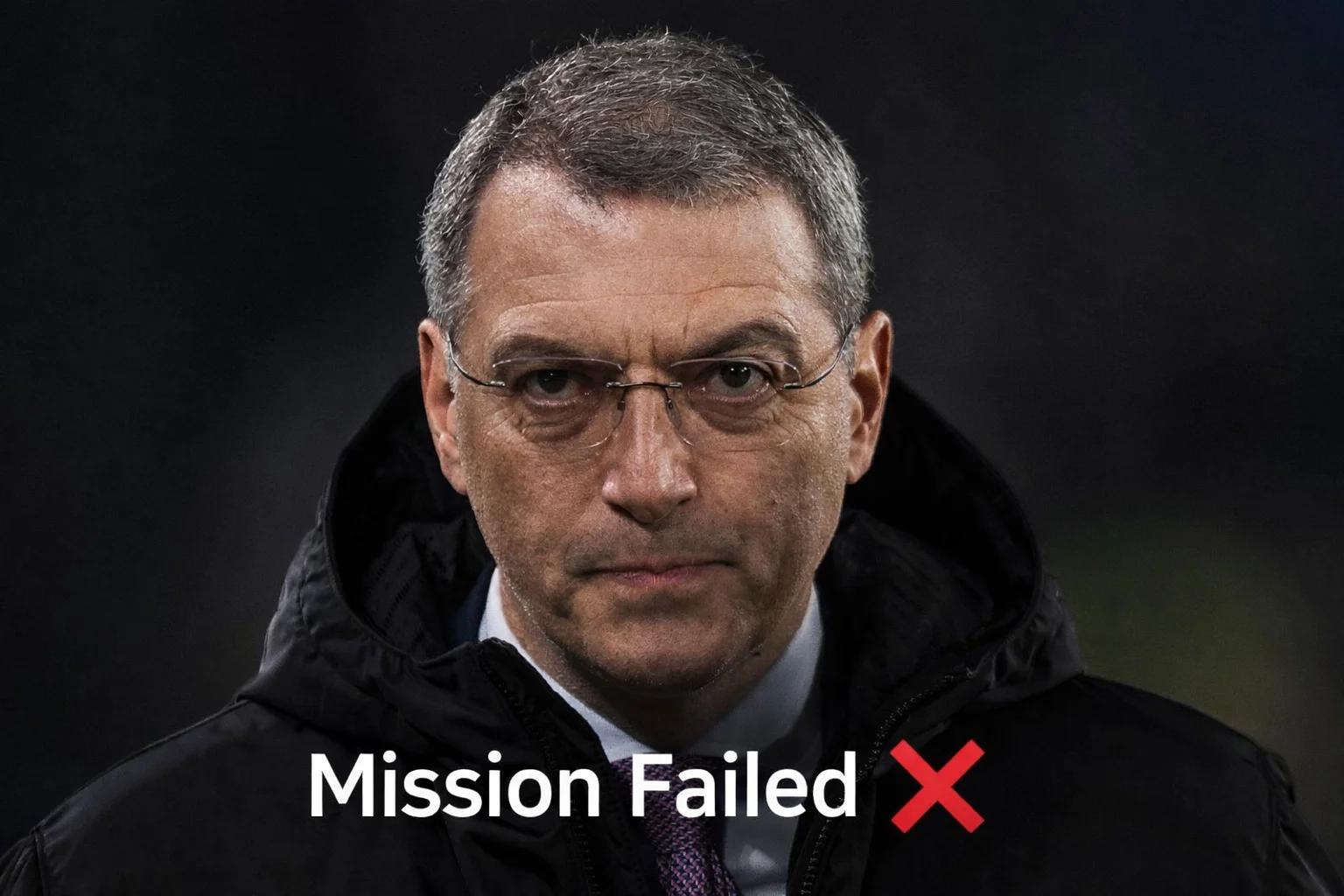
Juventus’ recent transfer activity has sparked debate among fans, but according to renowned transfer expert Gianluca Di Marzio, the club’s strategy was heavily shaped by economic constraints rather than a lack of ambition.
Speaking from the Sky Sport studios, Di Marzio offered insight into the logic behind the Bianconeri’s market decisions and the limitations they were forced to operate under.
A Transfer Market Built on Financial Balance

As explained by Di Marzio, Juventus approached the transfer window with strict financial parameters. The club’s priority was to keep the overall cost of the squad and labor expenses close to zero.
For this reason, every incoming deal had to be balanced by outgoing moves. The arrivals of players such as Boga and Holm, both brought in on loan, were effectively funded by the departures of Rugani and João Mário, also on loan.

This approach allowed Juventus to reinforce the squad without increasing financial pressure. Di Marzio underlined that the club did not have the flexibility to make permanent signings freely, especially in attack. Any potential striker addition had to come strictly on a loan basis, limiting the pool of available options.
Why Juventus Missed Out on Key Strikers
Di Marzio also addressed the most discussed topic among supporters: the failure to sign a high-profile striker. Juventus explored several loan opportunities, targeting players who could make an immediate impact.

However, circumstances outside the club’s control played a decisive role. Youssef En-Nesyri, for instance, declined a loan move and chose a transfer to Al Ittihad, a decision Di Marzio acknowledged as the player’s personal preference.
Meanwhile, Tottenham refused to let Kolo Muani leave on loan, and Galatasaray were unwilling to part with Mauro Icardi under the proposed conditions.

According to Di Marzio, Juventus deliberately avoided signing a striker simply for the sake of numbers. If a player was not considered capable of making a real difference, the club preferred not to proceed at all.
In this context, restraint was seen as a strategic choice rather than a failure, reflecting Juventus’ commitment to long-term stability over short-term solutions.
About The Author


Spalletti give APPROVAL to sign Pellegrini
According to Italian journalist Giovanni Albanese, Juventus are closely tracking developments surrounding Lorenzo Pellegrini and his increasingly uncertain future at...


Juve follow Greenwood, Marseille set the price
Juventus are not only focusing on strengthening their midfield ahead of next season, but are also actively working to enhance...


Douglas Luiz to Aston Villa, 2 conditions for the buyout
Aston Villa are reportedly weighing up a permanent move for Brazilian midfielder Douglas Luiz, who is currently on loan from...


Juve asked to sign Calafiori, Arsenal response
Riccardo Calafiori’s future appears firmly tied to Arsenal, despite a surge of transfer speculation linking him with several European giants....


Two concrete names to replace Di Gregorio
With Alisson Becker recently renewing his contract with Liverpool, Juventus are reportedly shifting their focus toward a more domestic solution...


Bianconeri intensifying scouting for Brentford right-back
Football’s transfer market is constantly shaped by players who manage to stand out with consistent and impactful performances on the...


Juventus pushing to sign two midfielders
As preparations for next season begin to take shape, Juventus are placing significant focus on strengthening their midfield. The club’s...


5 clubs wants to sign Jonathan David
Jonathan David’s first season with Juventus has not fully met expectations, yet the Canadian striker continues to draw significant interest...


Juve target Kolo Muani’ alternative, a Portugese striker …
Juventus could be preparing for a significant reshuffle in its attacking department during the upcoming summer transfer window, as the...


Juve ask info about Kiwior, Porto set HIGH price
There are strong movements behind the scenes at the Juventus headquarters in Continassa, where the club’s management has begun planning...
-

 News1 year ago
EXCLUSIVE : Tonali – Douglas Luiz swap deal
-

 News1 year ago
BREAKING : Giuntoli has meet Zidane in Turin
-

 News1 year ago
Official : Paul Pogba return today
-

 News1 year ago
Ronaldo: “I had given my word to Juventus …”
-

 News1 year ago
Exclusive : Mercato recap and summer targets
-

 News1 year ago
EXCLUSIVE : Thiago Motta future in doubt
-

 Match Center1 year ago
Giuntoli & Motta talks after Torino’s match
-

 News1 year ago
Cambiaso & Tomori, special observers